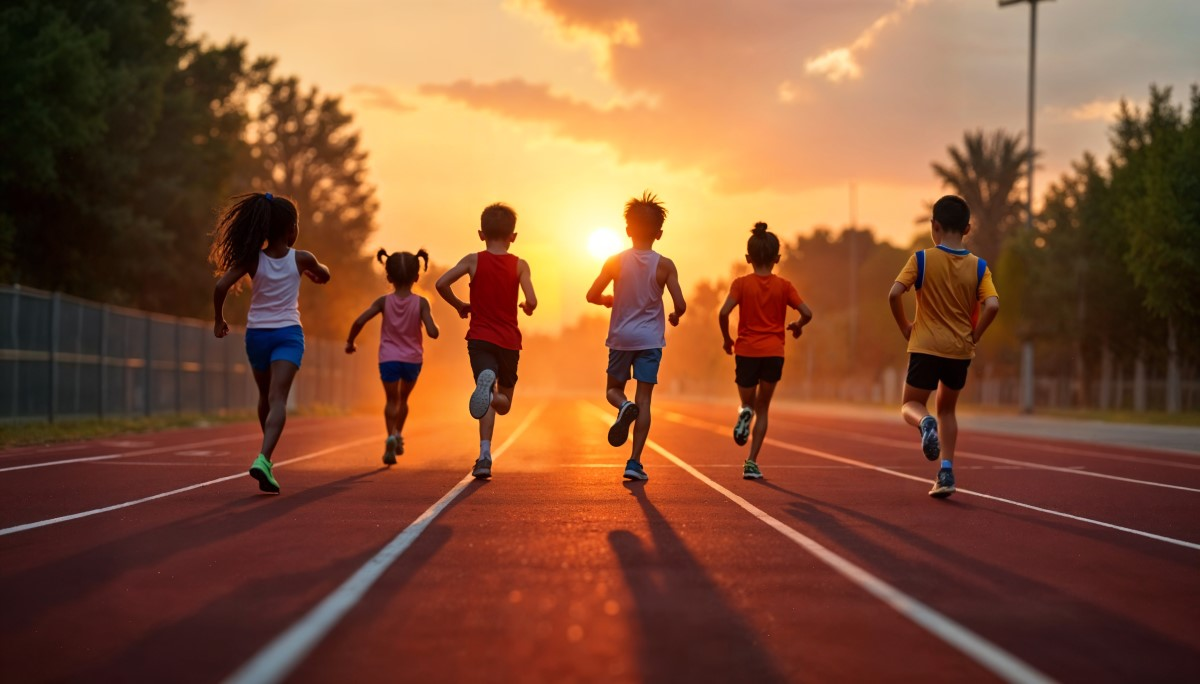
Education is often imagined as a quiet space—books open, minds focused, exams approaching. Sports, on the other hand, are seen as loud, physical, and separate from academics. But in reality, education and sports are deeply interconnected. Together, they shape not just intelligent individuals, but balanced, resilient, and confident human beings.
When learning is supported by physical activity, education becomes more effective, meaningful, and holistic.
Physical Fitness: The Foundation of Effective Learning
A healthy body creates the right environment for a healthy mind. Regular physical activity improves blood circulation, increases oxygen flow to the brain, and strengthens the nervous system. These simple biological changes have a powerful impact on how students think, focus, and retain information.
Children and students who engage in sports or daily physical exercise often show:
- Better concentration in classrooms
- Improved memory and recall
- Higher energy levels throughout the day
Physical fitness is not a distraction from education—it is the fuel that powers it.
The Science Behind Sports and Brain Functioning
When we engage in physical activity, the brain releases important chemicals such as dopamine, serotonin, and endorphins. These are often called “feel-good” neurotransmitters, but their role goes far beyond mood improvement.
- Dopamine enhances motivation, focus, and learning ability.
- Serotonin helps regulate emotions and reduces anxiety and stress.
- Endorphins improve mood and create a sense of well-being.
Together, these chemicals make the brain more receptive to learning, improve problem-solving skills, and support logical thinking. This is why students often feel mentally fresh and alert after playing a sport or exercising—even reading and writing become easier.
Sportsmanship and Moral Education
Sports are not just about winning or losing; they are living classrooms for moral values. On the field, students learn lessons that textbooks alone cannot teach.
Sports naturally cultivate:
- Discipline and time management
- Respect for rules and authority
- Teamwork and cooperation
- Fair play and integrity
The spirit of sportsmanship teaches students how to handle success with humility and failure with courage. These values later reflect in academic life, careers, and personal relationships.
Emotional Balance and Psychological Strength
Education without emotional balance often leads to stress, burnout, and anxiety. Sports provide a healthy outlet for emotional expression and mental release.
Regular physical activity helps students:
- Manage exam pressure and academic stress
- Build self-confidence and self-esteem
- Develop emotional resilience
A student who plays sports learns to stay calm under pressure, accept challenges, and recover from setbacks—skills that are essential both in education and in life.
Active Bodies Create Active Minds
Students who are physically active tend to be more curious, alert, and engaged. Movement stimulates creativity and helps break mental fatigue. This is especially important in today’s screen-heavy and sedentary lifestyle, where long hours of sitting can slow both the body and the mind.
Sports encourage:
- Faster decision-making
- Sharper reflexes and thinking
- Improved coordination between mind and body
An active body trains the brain to stay active too.
Integrating Sports into Education: A Necessity, Not an Option
Sports and games should not be treated as extracurricular or optional activities. They are an essential part of true education. Schools and institutions that prioritize both academics and physical education create learners who are healthier, happier, and more capable.
Education that ignores sports creates incomplete development. Education that embraces sports builds leaders, thinkers, and emotionally strong individuals.
Conclusion
Education and sports are two sides of the same coin. One sharpens the mind; the other strengthens the body and soul. When combined, they create individuals who can think clearly, act ethically, stay emotionally balanced, and perform confidently in every aspect of life.
True education is not just about marks and degrees—it is about building a strong mind in a strong body, ready to learn, lead, and live well.