Education is not limited to classrooms, textbooks, or examinations. True education is a lifelong journey that shapes our thinking, behavior, and contribution to society. It is a balance between oral learning, book knowledge, real-world understanding, kindness, and practical skills. When education touches both the mind and the heart, it becomes a powerful force for building a better world.
In today’s fast-changing world, education must go beyond memorization and certificates. It must prepare individuals to think critically, act responsibly, and live compassionately. Useful education is that which transforms knowledge into wisdom and skills into service.
Education Through Oral Learning and Communication
Oral education is one of the oldest and most powerful forms of learning. Long before books existed, knowledge was passed through storytelling, conversation, and observation. Even today, oral communication plays a crucial role in shaping confidence, clarity of thought, and emotional intelligence.
When students learn to express ideas clearly, listen actively, and communicate respectfully, they develop stronger relationships and leadership qualities. Oral education builds personality, strengthens understanding, and nurtures confidence, making individuals more effective in both personal and professional life.
Book Knowledge as the Foundation of Learning
Books are the pillars of structured education. They provide access to history, science, philosophy, and countless perspectives that expand human understanding. Book knowledge sharpens the intellect, builds discipline, and introduces learners to the accumulated wisdom of generations.
However, book knowledge should not remain theoretical. It should serve as a foundation upon which practical thinking, creativity, and problem-solving are built. When learners connect what they read to real-life situations, education becomes meaningful and impactful.
Knowing the World Beyond Classrooms
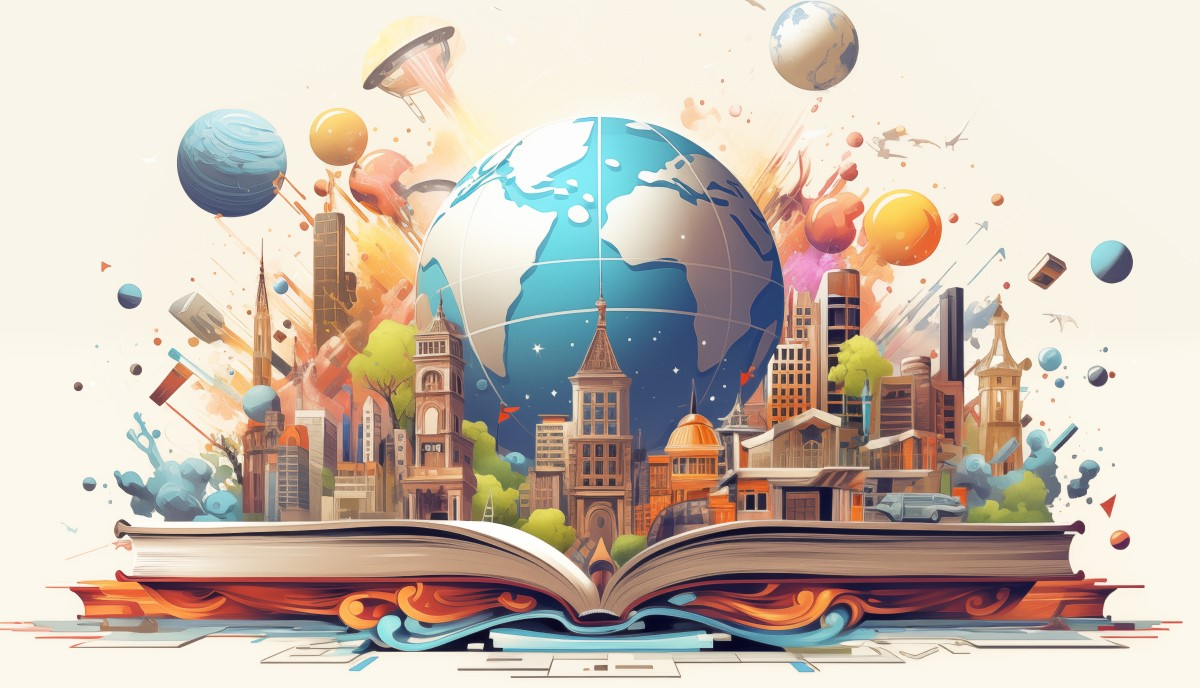
Education is incomplete without understanding the world we live in. Real education helps individuals become aware of social realities, cultures, challenges, and responsibilities. It encourages curiosity, observation, and awareness.
Knowing the world teaches empathy, adaptability, and global thinking. It prepares learners to become responsible citizens who understand diversity, respect differences, and contribute positively to society. Education should open minds to the broader human experience, not confine them to limited perspectives.
Kindness as an Essential Part of Education
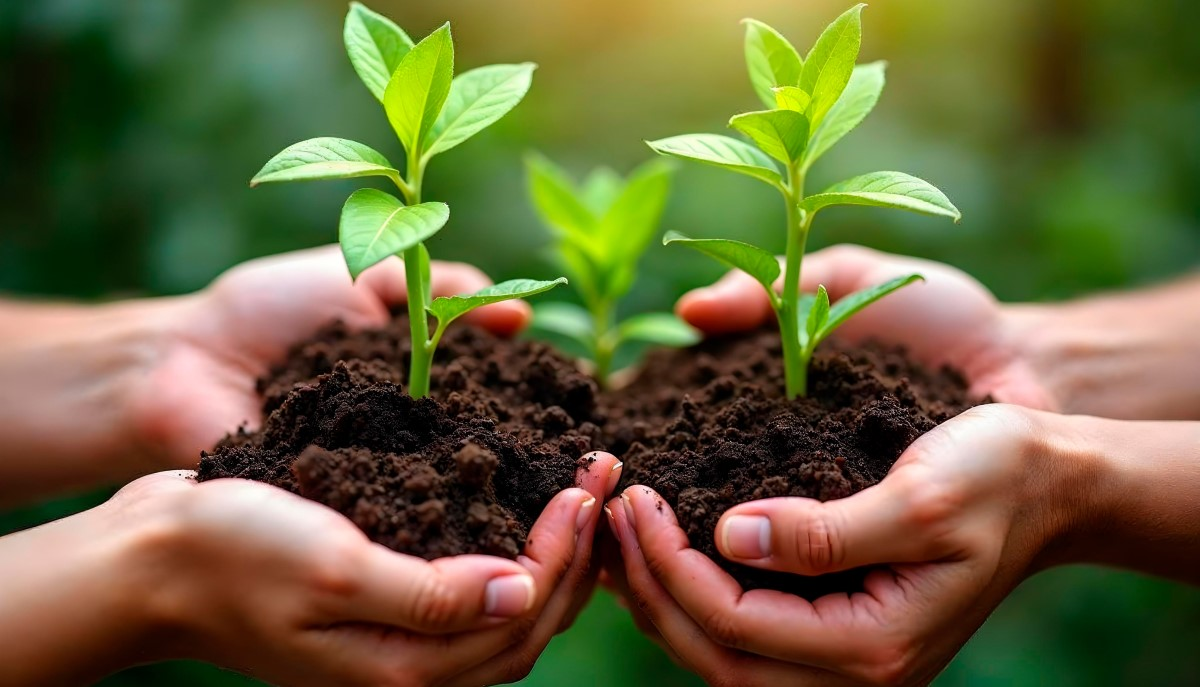
Kindness is a form of education that no textbook can fully teach. It is learned through example, experience, and conscious practice. A truly educated person is not only intelligent but also compassionate.
When education includes kindness, it shapes individuals who respect others, support the weak, and act with integrity. Kindness builds harmony in families, schools, workplaces, and communities. An educated society without kindness becomes knowledgeable but emotionally empty. True education balances intelligence with humanity.
Skills That Make Education Useful
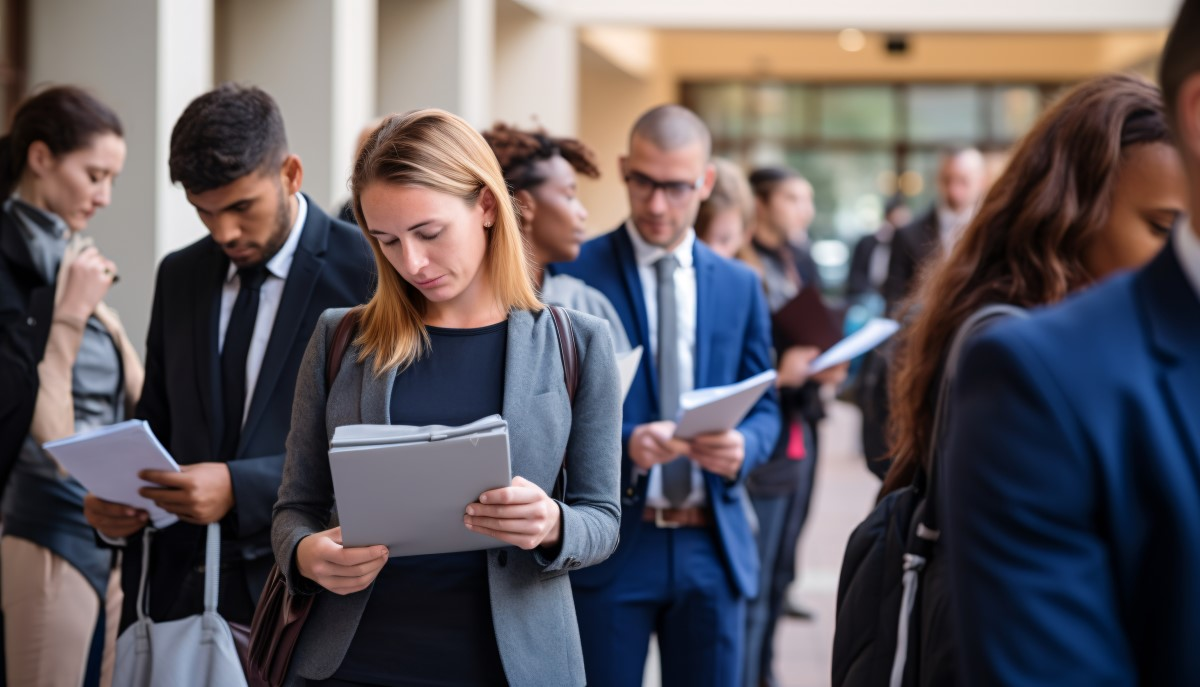
Skills transform education into action. Practical skills such as communication, problem-solving, creativity, teamwork, and adaptability make knowledge applicable in real life. Technical and vocational skills empower individuals to become self-reliant and productive.
Useful education equips learners not just to seek jobs but to create opportunities, solve problems, and add value to society. Skills give education purpose and direction, making it relevant to real-world needs.
Education That Builds Character
Education should shape character as much as it shapes careers. Discipline, honesty, responsibility, and respect are essential outcomes of meaningful education. Knowledge without character can be dangerous, while character without knowledge limits growth. Together, they create balanced and empowered individuals.
When education builds strong character, it produces leaders who inspire trust and citizens who act responsibly.
Learning for a Better World
The true goal of education is not personal success alone, but collective progress. Useful education encourages learners to think about how their knowledge and skills can serve society. It inspires solutions for social problems, environmental protection, and inclusive development.
Education becomes powerful when it transforms individuals into contributors, not just achievers.
Balancing Knowledge, Kindness, and Skills
A complete education system must balance intellectual growth, emotional maturity, and practical ability. Book knowledge provides understanding. Oral education builds confidence and clarity. Knowing the world creates awareness. Kindness shapes humanity. Skills make education useful.
When these elements come together, education becomes a tool for transformation rather than just qualification.
Education as a Responsibility to Humanity
Education is not only about gaining information; it is about becoming a better human being. It is about learning to think wisely, act kindly, and serve meaningfully. A truly educated person uses knowledge to uplift others, skills to solve real problems, and kindness to create harmony.
When education focuses on wisdom, compassion, and usefulness, it becomes the foundation for a better, more peaceful, and more responsible world.