Information Technology is no longer evolving in steps — it is transforming in waves.
For decades, technology helped humans do work faster.
Today, technology is starting to do the work itself.
We are moving from:
Digital → Automated → Intelligent → Autonomous
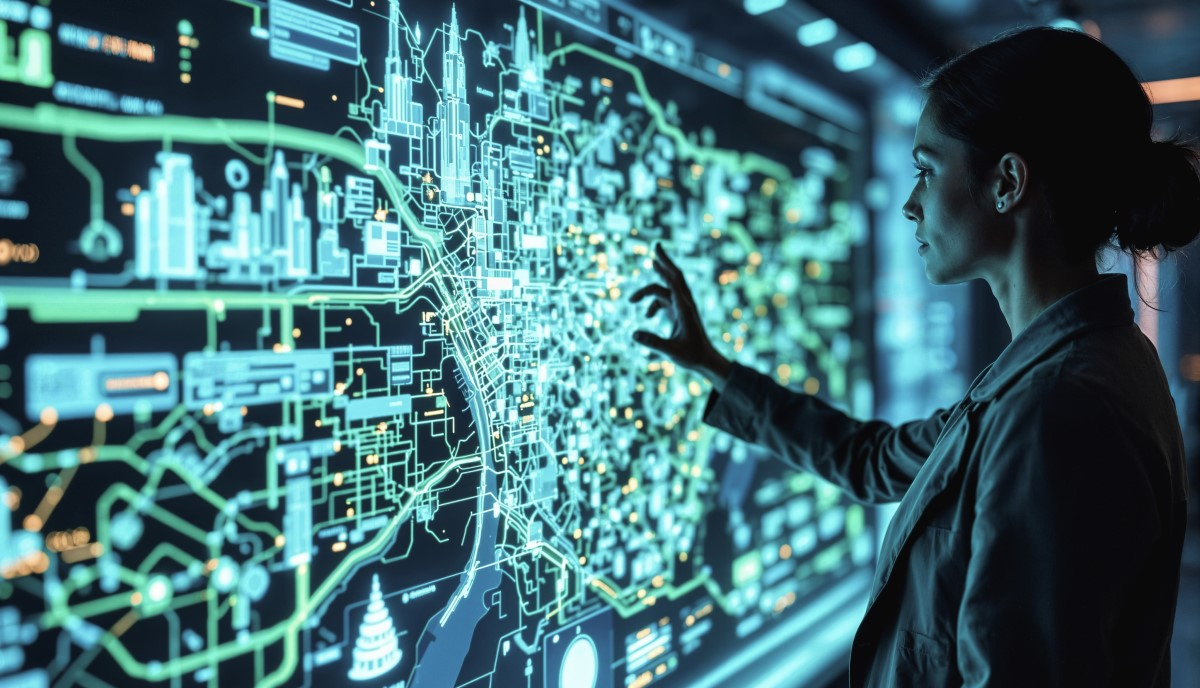
This shift is redefining businesses, jobs, education, governance, and even daily life. The current phase is not just about Artificial Intelligence; it is about the creation of connected intelligent ecosystems where systems talk, decide, and act with minimal human intervention.
1. The Rise of AI Agents (Not Just AI Tools)
Earlier software waited for instructions.
Now software understands intent.
Modern AI systems can:
- Analyze documents
- Write emails
- Generate code
- Talk to customers
- Make decisions
- Execute tasks across multiple applications
These are called AI Agents — systems capable of performing complete workflows instead of single tasks.
Soon, businesses will not only hire employees — they will deploy digital workers.
2. The Era of Personal Digital Assistants
Every individual will soon have a personal AI layer.
Instead of:
Searching information → Comparing → Deciding → Acting
You will simply:
Ask → Approve → Done
Examples already emerging:
- Booking travel automatically
- Managing finances
- Scheduling meetings
- Monitoring health
- Running small businesses
This changes the role of apps.
People will interact with one interface instead of hundreds of apps.
3. Software Is Becoming Self-Operating
The next IT revolution is Self-Operating Systems.
Systems that:
- Monitor themselves
- Fix errors automatically
- Optimize performance
- Predict failures
- Update security without human intervention
This is called Autonomous IT Infrastructure.
Companies will move from IT Support → IT Supervision.
4. Cybersecurity Is Moving to Predictive Defense
Traditional security:
Detect attack → Respond
New security:
Predict attack → Prevent
AI is now identifying abnormal behavior patterns before breaches occur.
Cybersecurity will shift from reactive investigation to continuous risk intelligence.
The biggest change:
Security will become invisible but constant.
5. Low-Code & No-Code: Everyone Can Build Software
Software development is no longer limited to programmers.
Now:
- Business owners create internal tools
- Lawyers automate documentation
- Teachers build learning platforms
- Startups launch products in days
The developer role will shift from writing code to designing systems and logic.
6. Data Is Becoming a Live Asset
Data earlier was stored.
Now data is alive.
Real-time systems allow organizations to:
- Adjust pricing instantly
- Predict demand
- Prevent fraud
- Optimize logistics
- Personalize services
Businesses that understand data will not just grow — they will anticipate the future.
What This Means for Jobs and Businesses
The change is not job loss — it is job redesign.
| Old Role | New Role |
|---|---|
| Operator | Supervisor |
| Analyst | Decision Designer |
| Programmer | System Architect |
| Customer Support | Relationship Manager |
| Manager | Strategy Controller |
People will move from execution to oversight.
Conclusion
We are entering the Age of Intelligent Operations.
The biggest shift in IT is not faster computers or better software —
it is the delegation of thinking processes to machines.
Organizations that adapt early will not just improve efficiency; they will redefine their industries.
The question is no longer:
“How do we use technology?”
It is now:
“Which responsibilities should remain human?”
Stay updated with technology insights at 4esind.com