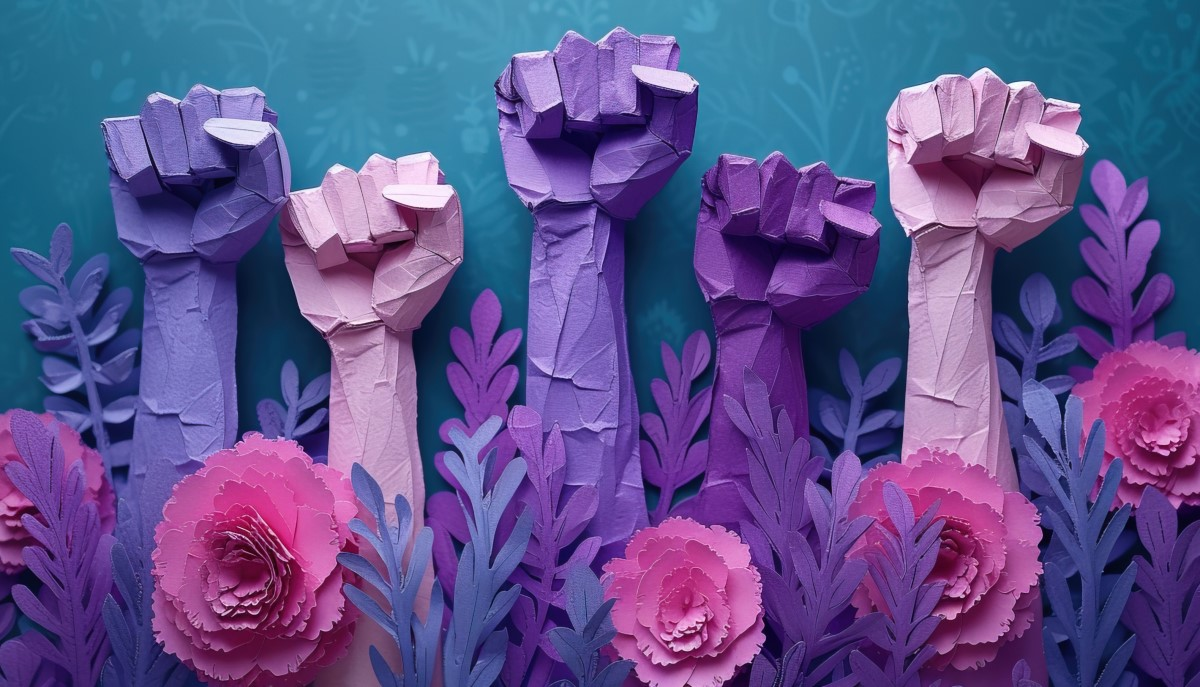
We are not ignorant.
We are informed.
We are aware.
And yet — we are silent.
This silence is not peaceful. It is blue, heavy, suffocating — the kind of silence that comes from knowing the truth but feeling powerless to act on it.
We Know. Everyone Knows.
We know how much money is spent to win elections.
We know institutions see it.
We know the system sees it.
But nothing moves.
We know corruption exists at every level — from the smallest office desk to the tallest corporate tower.
We know that if a common citizen refuses to pay ₹100 or ₹500, files stop moving, information disappears, help becomes invisible.
We know justice is promised — but access to justice has a price tag.
We know some people show losses year after year, live lavish lives, evade taxes — and no serious questions are asked.
We know when raids happen, they often fall on small officials, low-ranking employees, the powerless, the visible, the replaceable.
And we quietly ask ourselves:
If this is what they found with them… how much do the truly powerful hold?
But no one knocks on those doors.
No cameras wait there.
No sirens sound there.
The Unspoken Truth: Fear, Fragmentation, and Fatigue
Why don’t people question?
- Because education taught us how to earn, not how to question
- Because unity was replaced by survival
- Because fear is cheaper than courage
- Because speaking up often costs livelihoods, safety, peace
And when a few voices rise through media or activism, the response is expected from the same hands that created the problem.
So the system talks to itself.
And people watch.
Silently.
This Silence Is Not Innocent
Silence protects corruption.
Silence normalizes injustice.
Silence slowly convinces honest people that “this is how things work.”
That belief is the most dangerous corruption of all.
When silence becomes culture, injustice becomes routine.
When injustice becomes routine, hope becomes rebellion.
So What Is the Way Forward?
Empowerment does not begin with revolutions.
It begins with conscious courage.
1. From Awareness to Action
Knowing is not empowerment.
Acting — even in small, ethical ways — is.
Refuse shortcuts when possible.
Support transparency-driven platforms.
Encourage children to question, not just obey.
2. Collective Voice Over Lone Heroes
One voice is easy to suppress.
A community is not.
Local groups, associations, digital communities — these are modern tools of unity. Use them.
3. Redefine Education
Education must teach:
- Civic responsibility
- Constitutional rights
- Ethical courage
- Critical thinking
Not just marks. Not just jobs.
4. Support the Few Who Dare
Journalists, whistleblowers, honest officers, activists — they exist.
They survive on public support.
Silence abandons them.
Support empowers them.
5. Integrity as a Daily Practice
You don’t fight corruption only in big moments.
You fight it in:
- Small refusals
- Honest decisions
- Fair dealings
- Teaching values at home
A Final Truth We Must Face
The system is powerful — yes.
But systems are made of people.
When enough people stop accepting silence as safety,
when enough people choose dignity over convenience,
when enough people believe change is slow but possible —
The blue silence begins to crack.
Empowerment is not shouting louder.
It is standing longer.
And India does not need more anger.
It needs awake, united, ethically stubborn citizens.
Because the day silence ends,
the system will have no choice but to listen.
That day begins with us.